We will attend the 123rd Canton Fair on 15th-19th,April.Our booth No. is 1.1F16 We will attend the 123rd Canton Fair on 15th-19th,April.Our booth No. is 1.1F16

Views: 0 Author: YC WATERJET Publish Time: 2021-03-01 Origin: Site


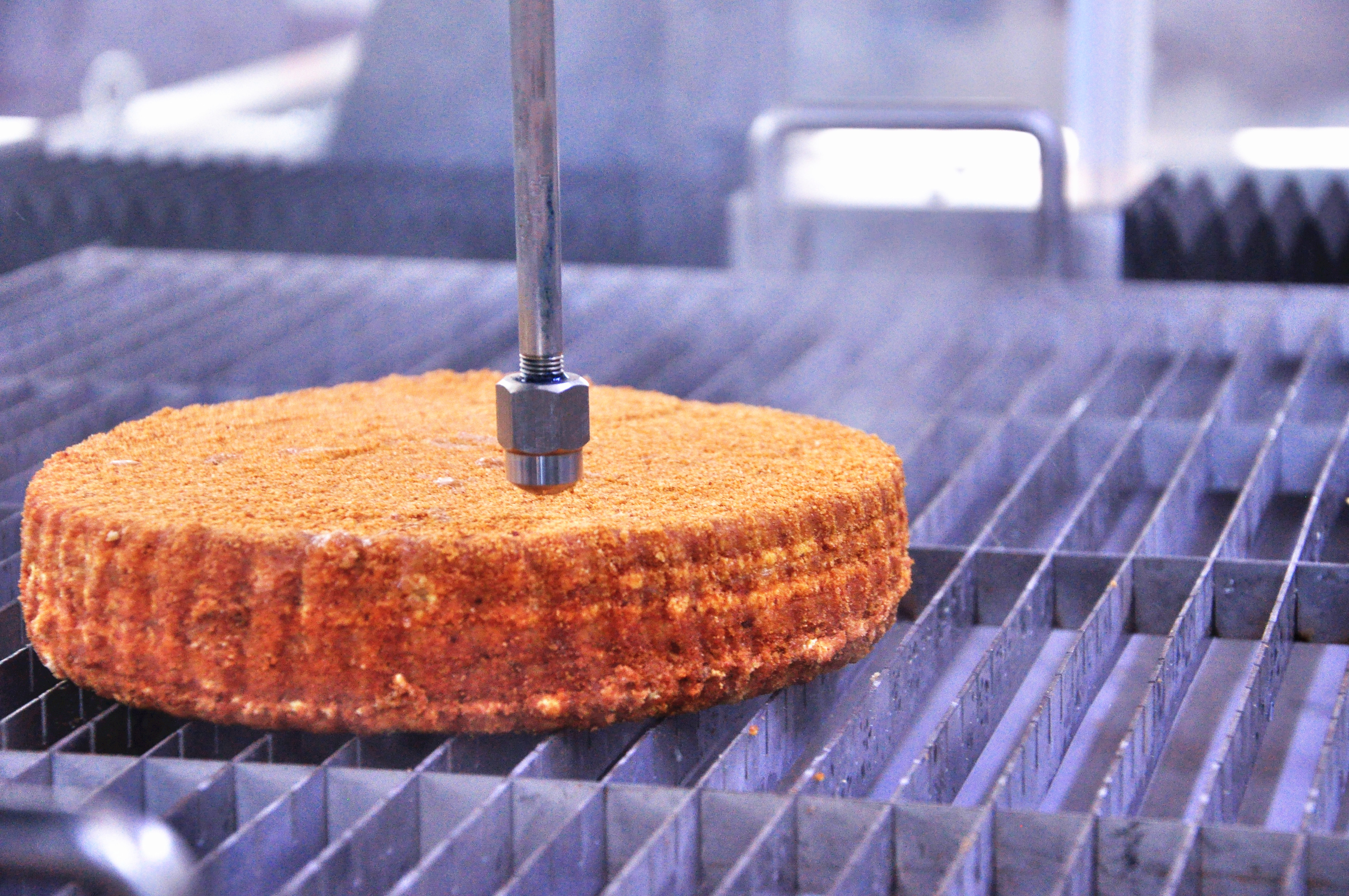
With the continuous exploration and progress of food processing technology, manufacturers are increasingly looking for cleaner, more efficient ways to slice and dice consumable products. High-pressure water jet cutting technology has emerged as a specialized method applied across various sectors, including confectionery, bakery cakes, meats, and fresh produce.
Unlike traditional blades that crush or tear sensitive ingredients, waterjet technology utilizes a ultra-thin, high-velocity stream of pure water (often pressurized up to 30,000 to 60,000 psi) to pierce and slice items cleanly. Because the stream width is typically less than a millimeter, material loss (kerf loss) is minimized to near zero. For food applications, pure water is used strictly without harmful chemical additives; in some specialized cutting processes, natural additives like food-grade salt or alcohol may be utilized depending on the specific product requirements.
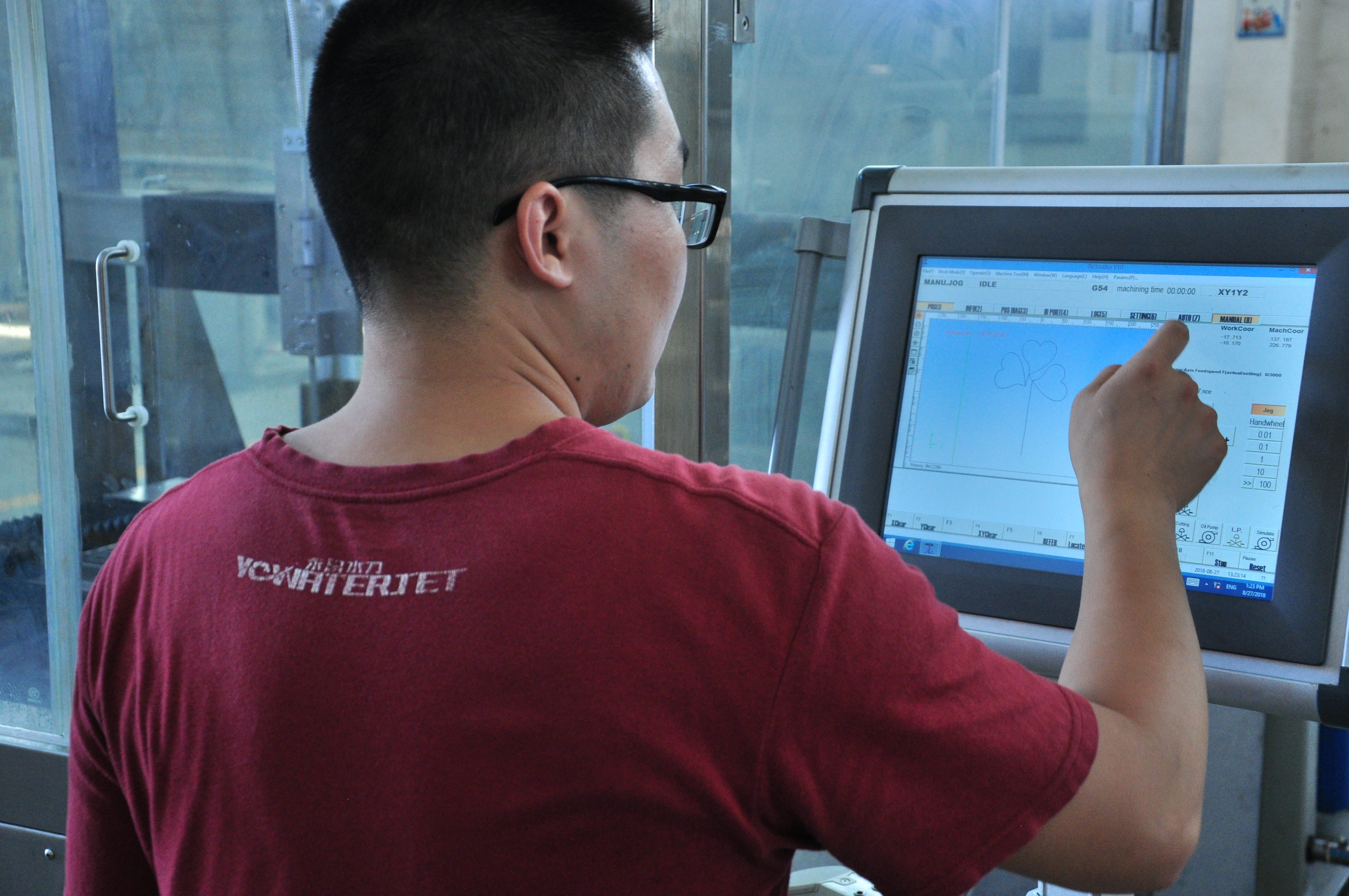
When food processors first encounter waterjet technology, a common question arises: Is cutting food with water sanitary?
Zero Bacteria Spread: Traditional blades can accumulate food residues and harbor bacteria across different shifts if not sterilized constantly. Waterjet cutting uses a single-use, fresh stream of water for every cut, eliminating cross-contamination risks.
No Heat Generation: Thermal cutting methods can alter the taste, texture, or nutritional value of heat-sensitive items. Water cutting is a cold process that prevents thermal deformation or scorching.
Easy Washdown Design: Modern food-grade waterjet systems are typically constructed from stainless steel and designed for rigorous daily clean-in-place (CIP) or washdown routines.
Elimination of Blade Maintenance: Traditional blades dull quickly when cutting sticky, fibrous, or frozen foods (such as nougat, cheese, or frozen meat), leading to frequent production downtime for sharpening or replacement. Water streams never dull.
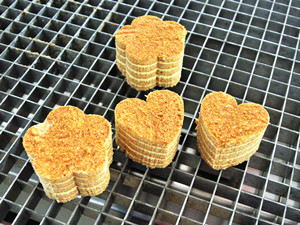
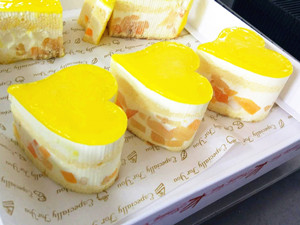
Complex and Clean Shapes: Numerical control (CNC) systems allow the water jet to follow intricate programmable paths. This makes it possible to cut geometric shapes, decorative patterns, or uniform portions for new product designs without sticking or crumbling.
Handling Difficult Textures: In meat and poultry processing, water jets can cut through meat, skin, and soft bone simultaneously without shattering bone fragments or causing tissue trauma, preserving the structural integrity of the final product.
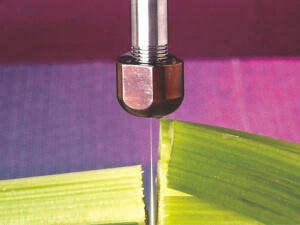
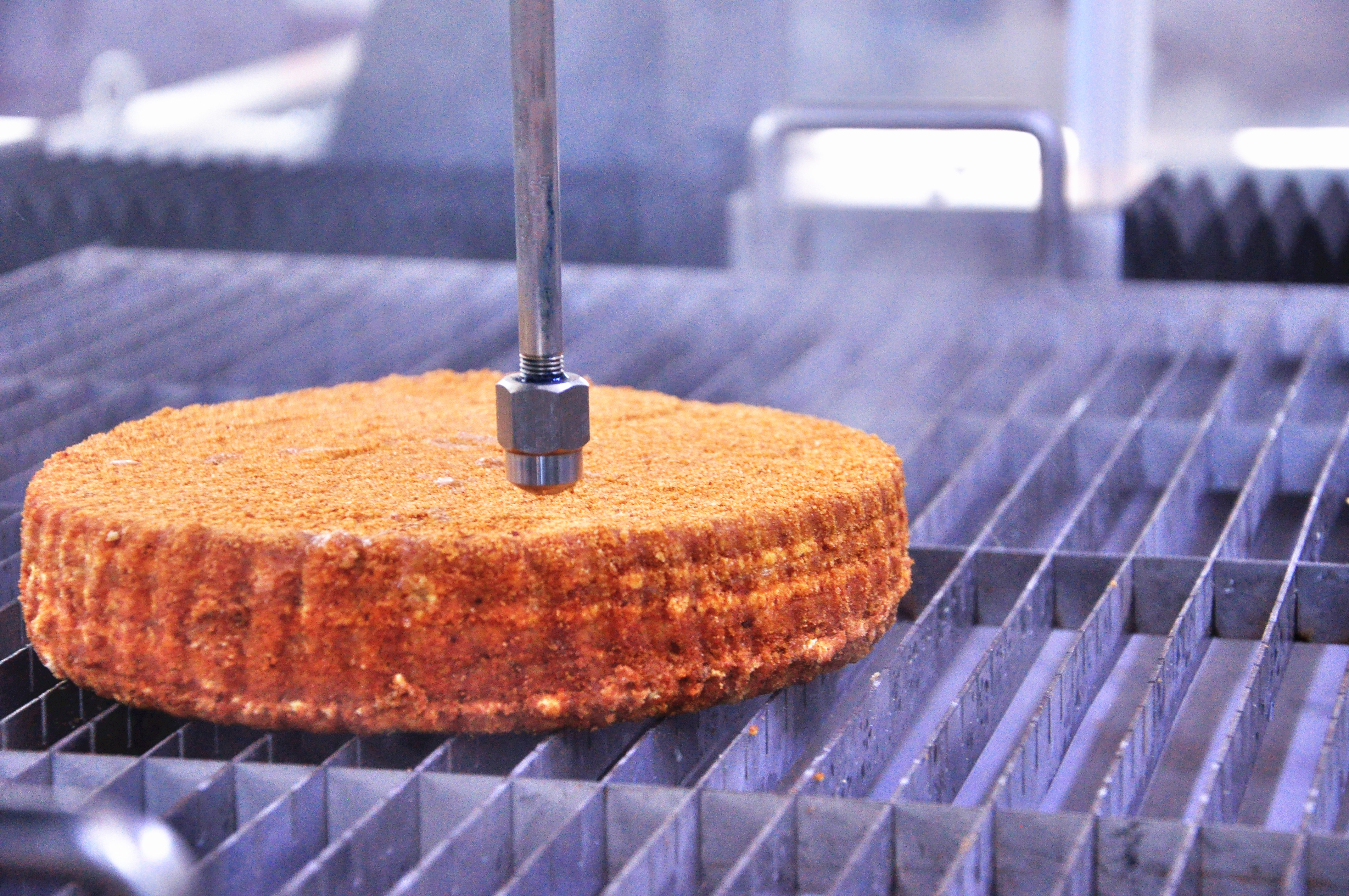
As consumer standards rise and the demand for ready-to-eat, precisely portioned, and aesthetically pleasing foods grows, food processing lines require smarter cutting technologies. While exploring the general mechanics and hygiene benefits provides a clear picture of how waterjet works, implementing this technology at scale requires dedicated commercial infrastructure -waterjet cutting system for food. The integration of automated waterjet systems continues to offer profound efficiency and safety improvements for modern food plants.